ICE → BEV
Engine and fuel system replaced with a matched electric drive, automotive battery, controls, charging and thermal management.
Best for: predictable daily routes with reliable charging.
 We Keep It Running.
We say exactly what is available now and what is still being engineered. Statuses are reviewed by our technical lead and updated as evidence comes in.
An inspection or feasibility discussion can be arranged now.
An inspection or feasibility discussion can be arranged now.
Prototype work is being prepared or carried out; not yet offered to customers.
Status reviewed 10 Oct 2026.
Answer five quick questions for a first screening — then book a donor assessment with the answers attached.
First screening only — every conversion starts with a donor assessment of the exact vehicle.
We convert to full battery-electric only — no engine left behind, nothing half-way.
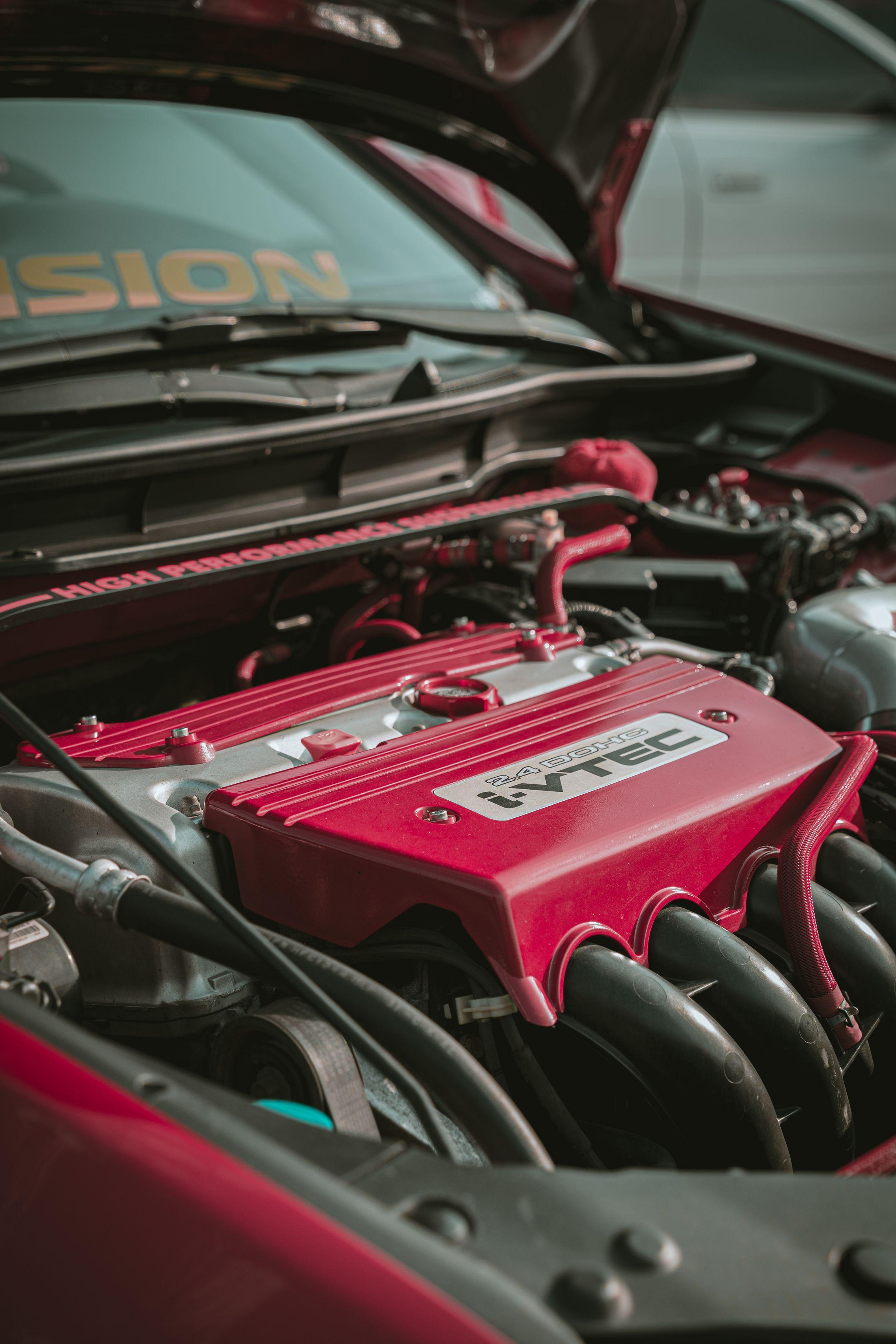
Engine and fuel system replaced with a matched electric drive, automotive battery, controls, charging and thermal management.
Best for: predictable daily routes with reliable charging.
One drive system to design, validate and service — no engine and battery competing for space, weight and cooling. Every conversion passes the same safety gates before it is released.
Not sure it suits your route? Check your vehicle first.
Check my vehicle ↑Our first pilot platform, being prepared with a donor survey, a matched supplier proposal and a prototype validation plan.
Got a Corolla? Ask about joining the pilot.
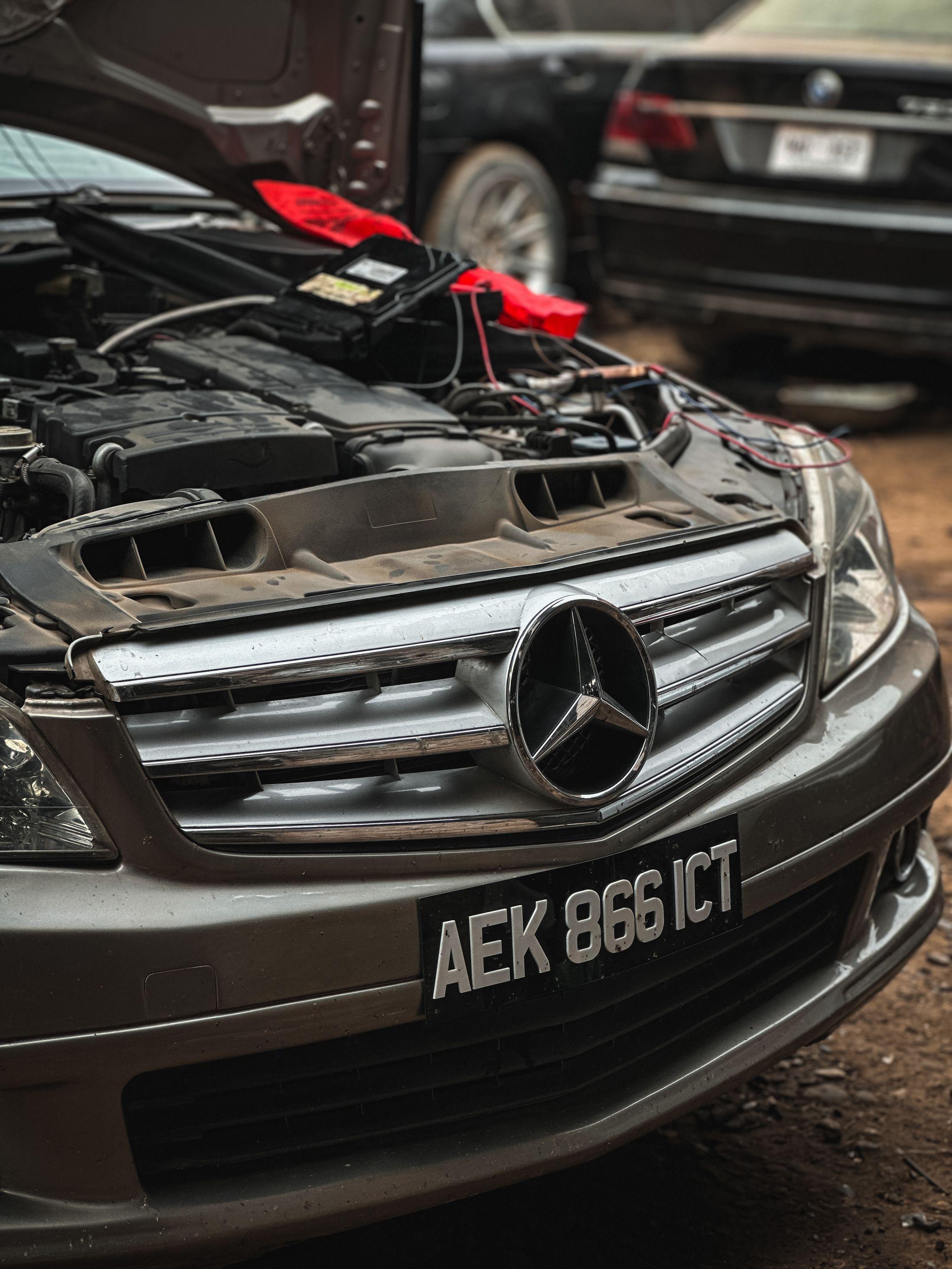
Seven stages, one disciplined sequence — the same for a Camry, a Benz or an Accord. Assess first, then build, then prove it.
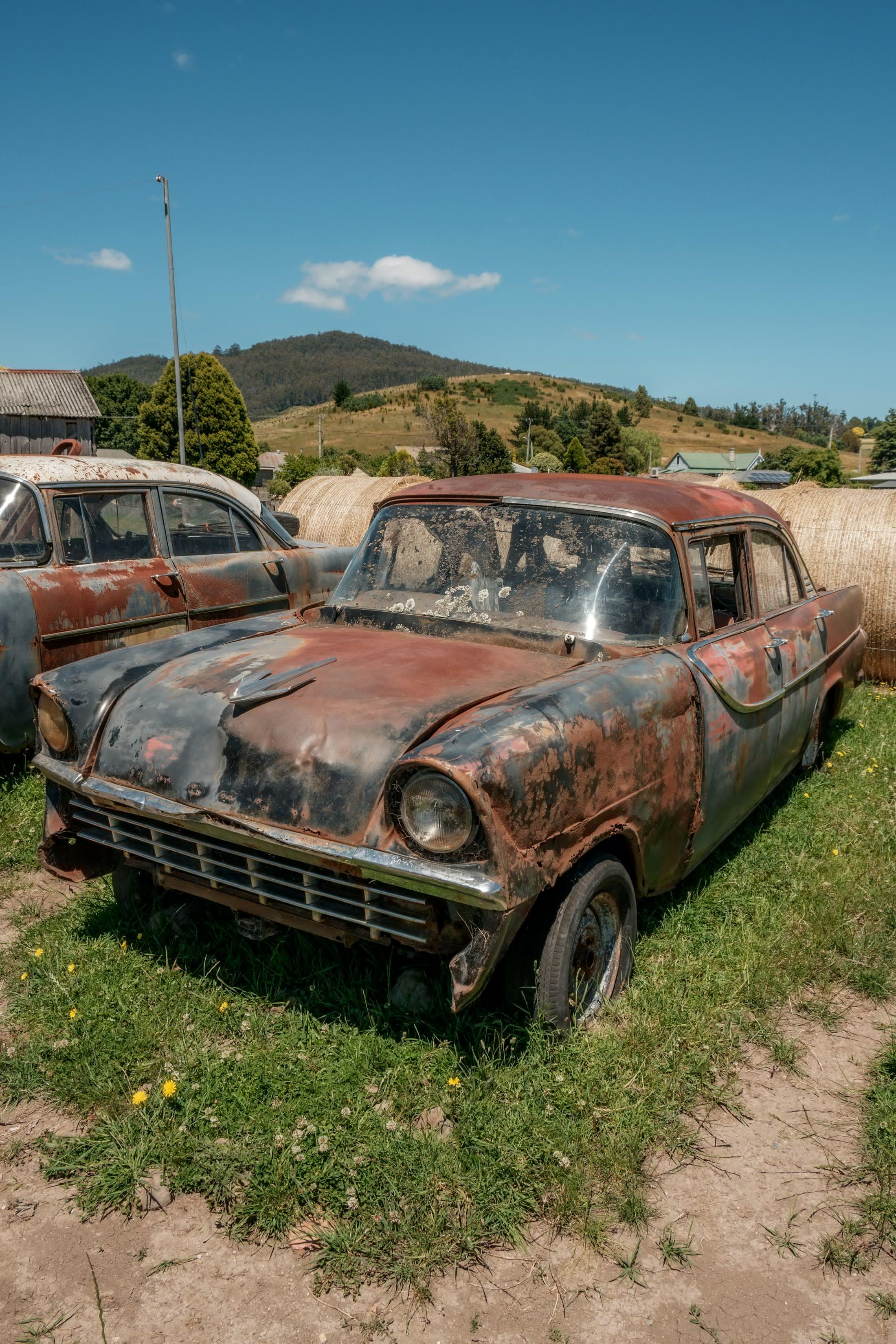 01
Engine finished, parts too costly, or simply left at the mechanic for years. The body is still worth saving.
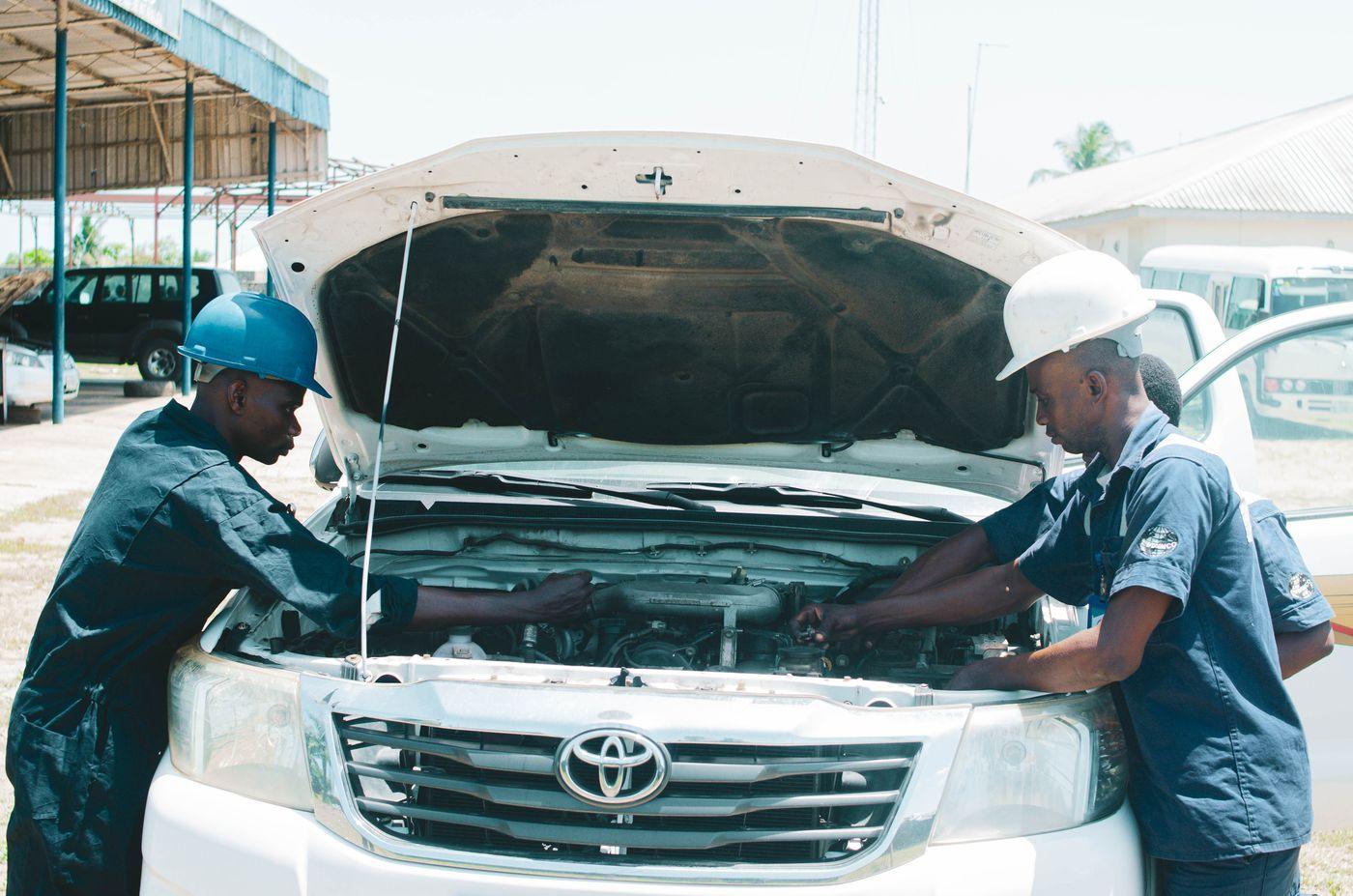 02
Chassis, body, brakes, suspension and wiring checked, axle weights measured — then a written plan, quote and timeline.
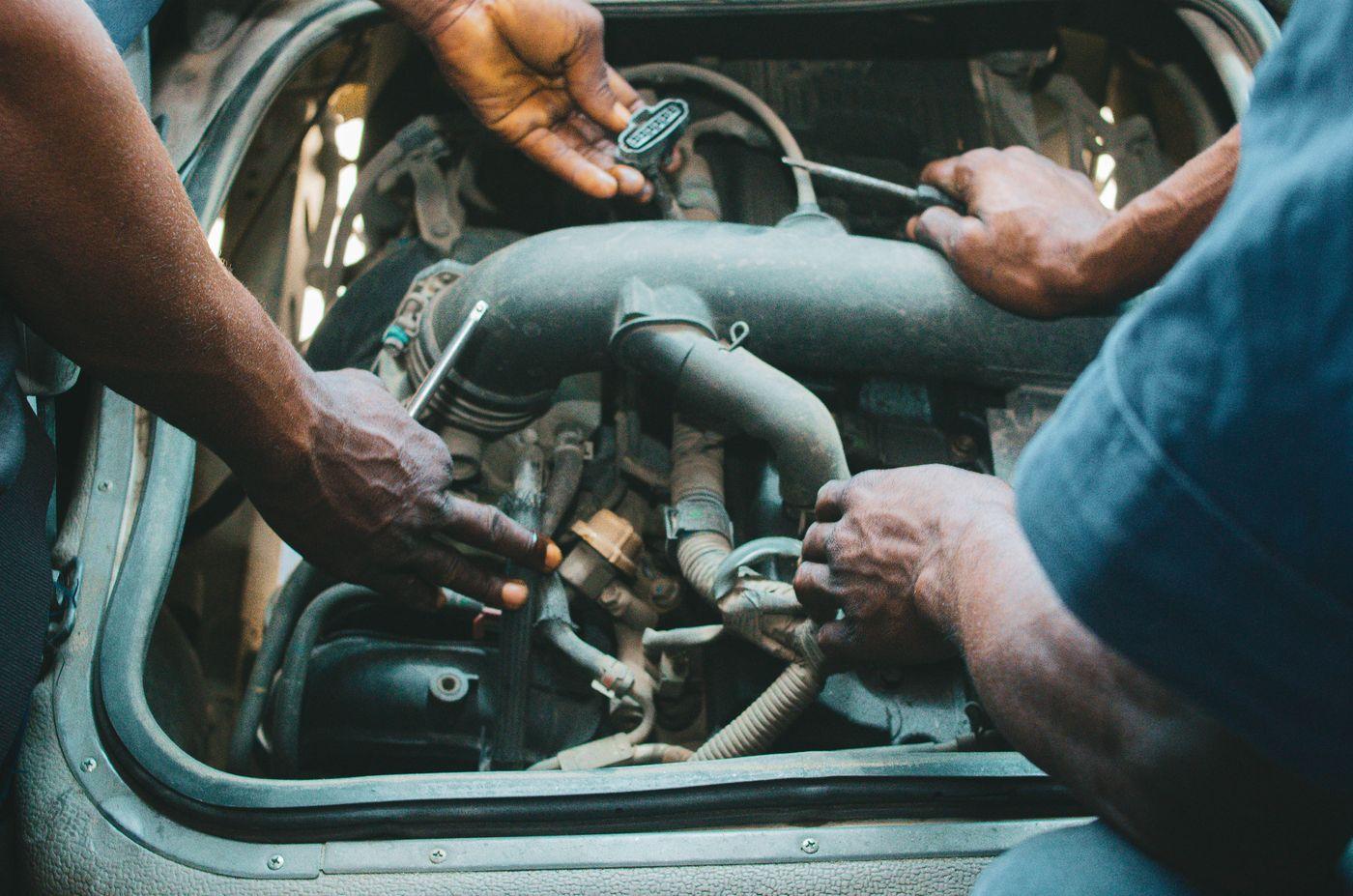 03
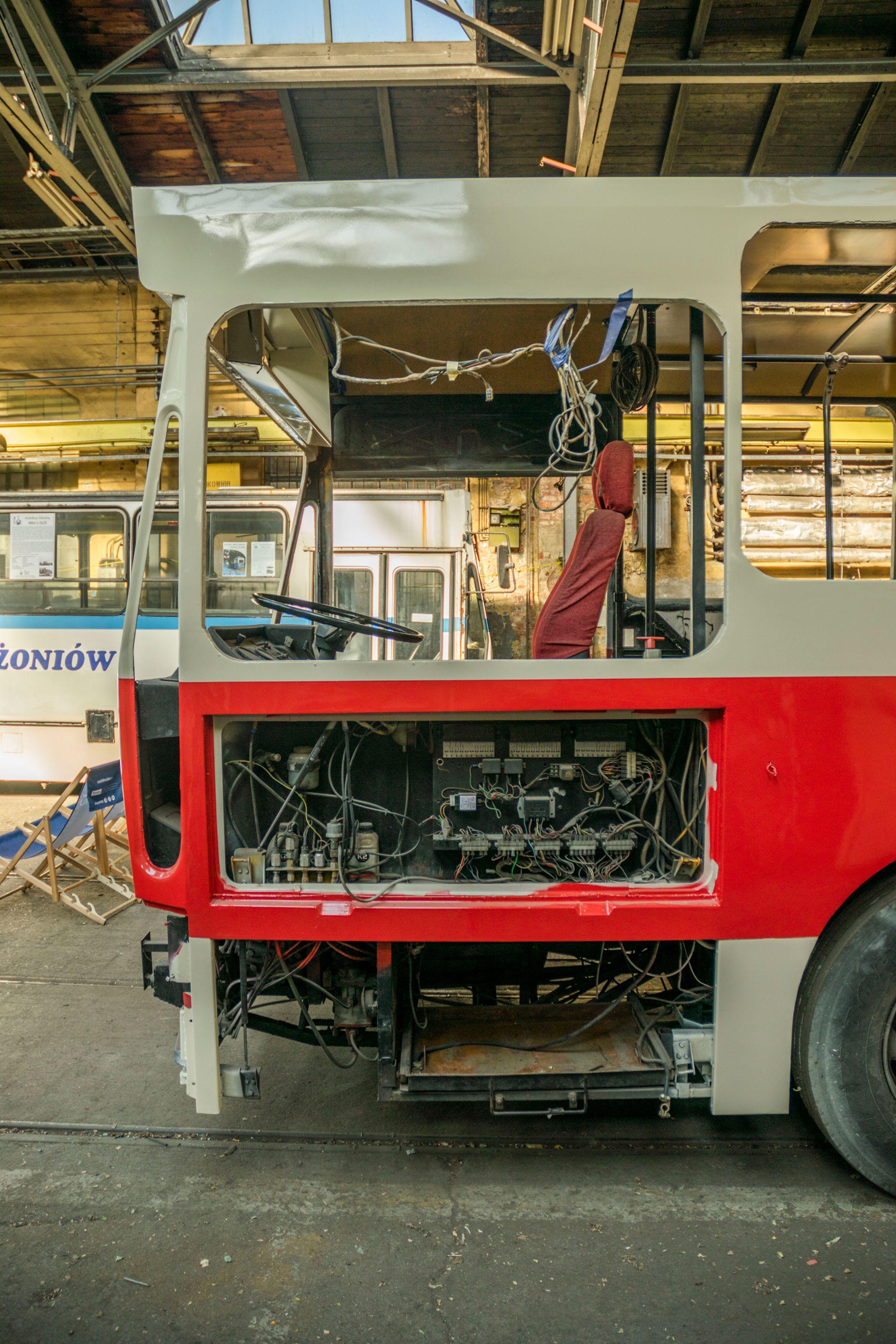
Engine, fuel tank and exhaust out. Brakes, bearings, suspension and wiring restored; every mounting point checked.
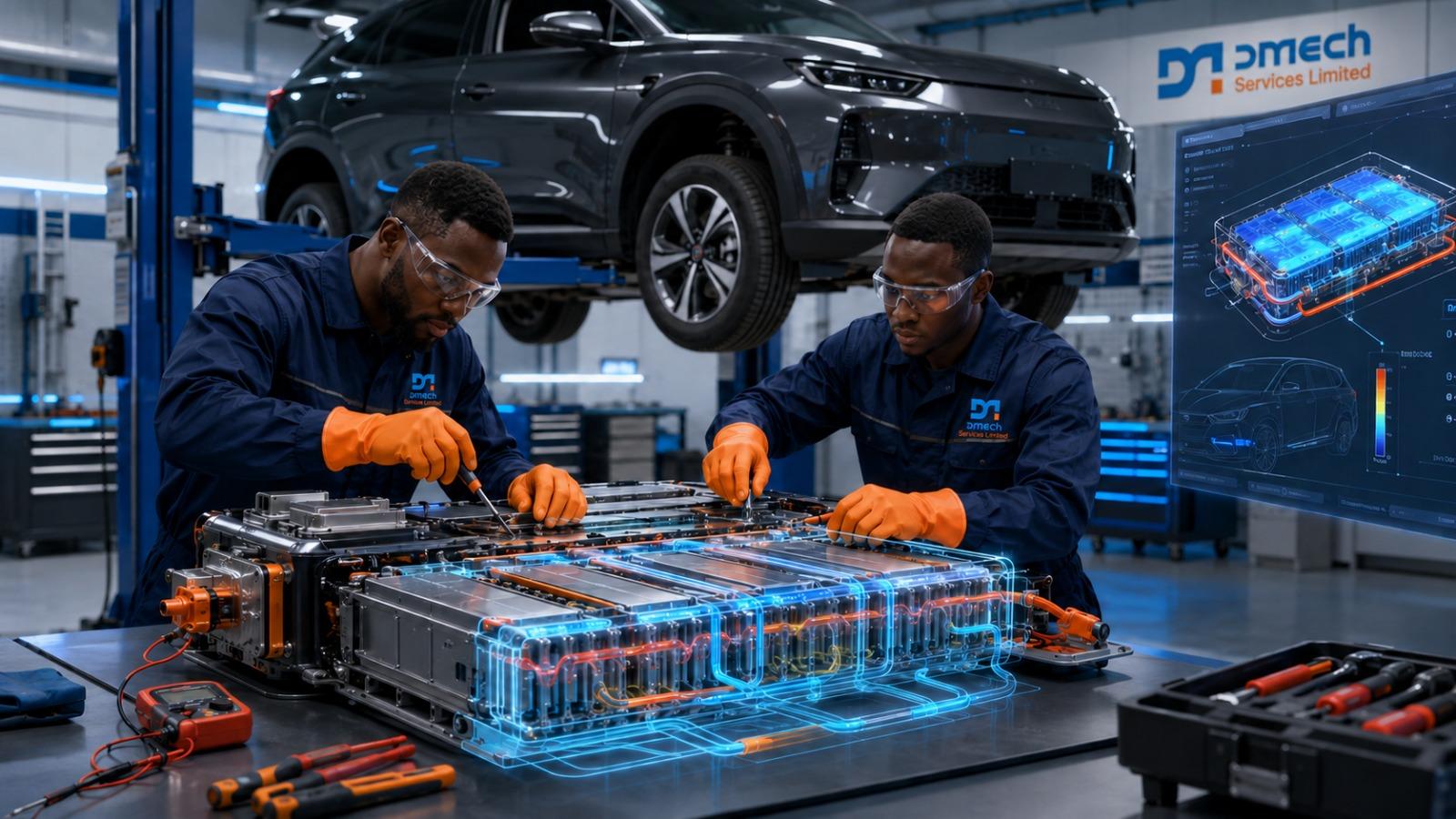 04
Electric motor and controller fitted; automotive battery and BMS sized to your daily route; charging and cooling installed.
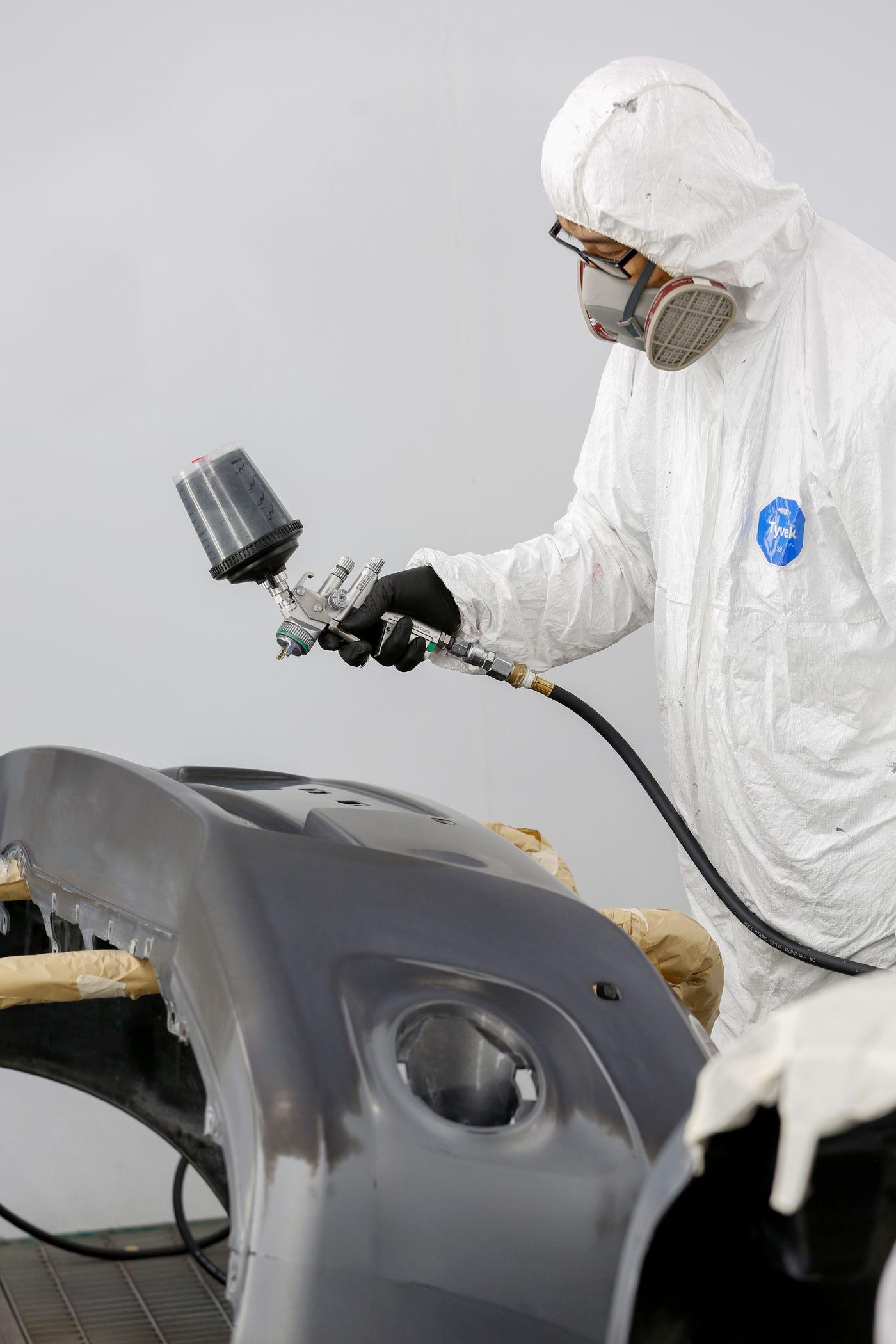 05
Dents and rust repaired, then a fresh, even finish — with spray-and-bake at our new workshop.
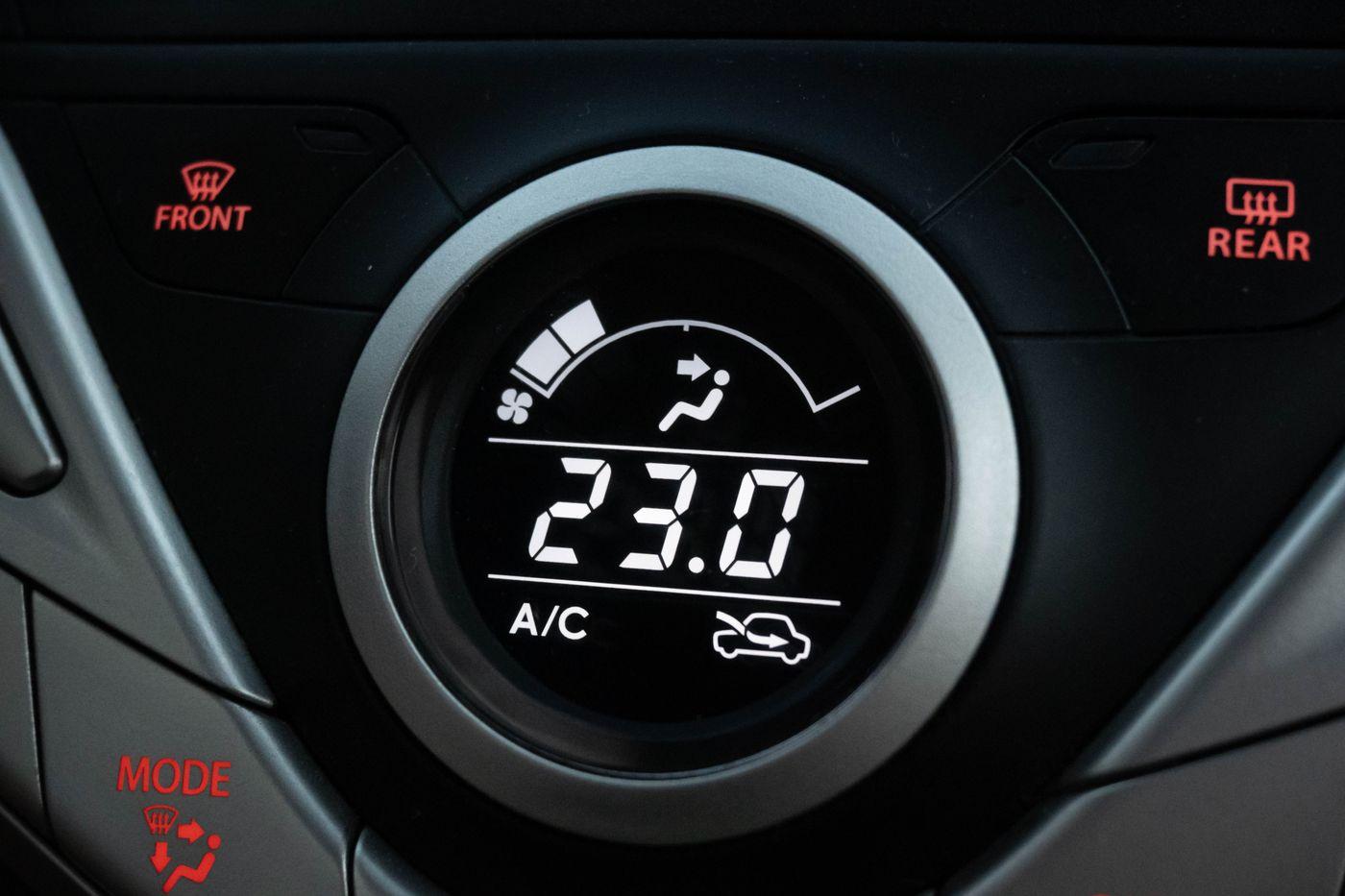 06
No engine belt, so an electric AC compressor keeps the cabin cool — wired to the battery and tested in Lagos heat.
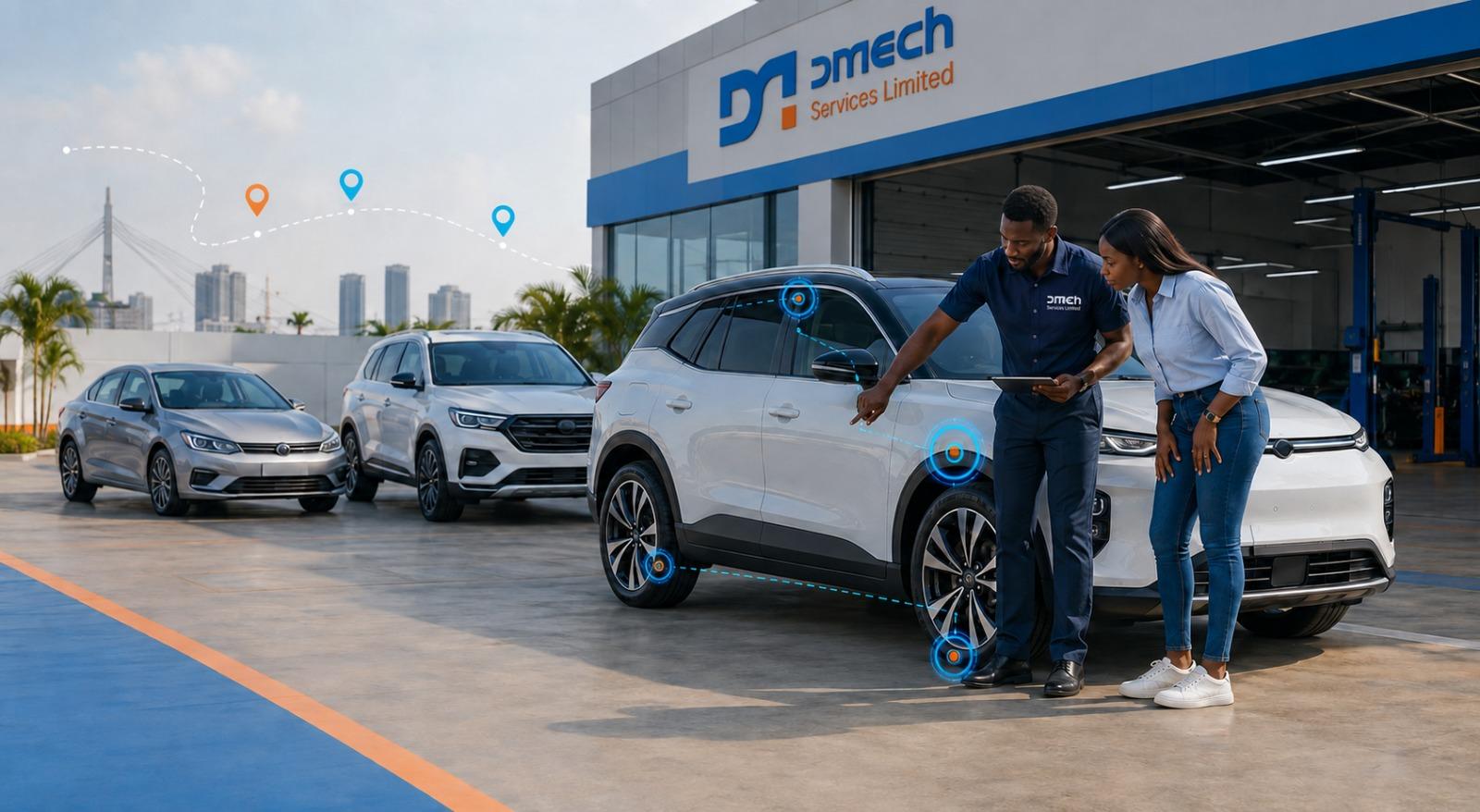 07
Loaded road and range tests, documented checks, road-use requirements resolved — then handed back, fully working.
Each platform gets its own validation — we don’t force one kit onto every vehicle.
Daily drivers, ride-hailing and family cars. Our first pilot platform is the Toyota Corolla 2016.
Route buses and staff transport with predictable daily distances.
Churches, schools, hotels and staff shuttles.
Fume-free, quieter school runs for pupils.
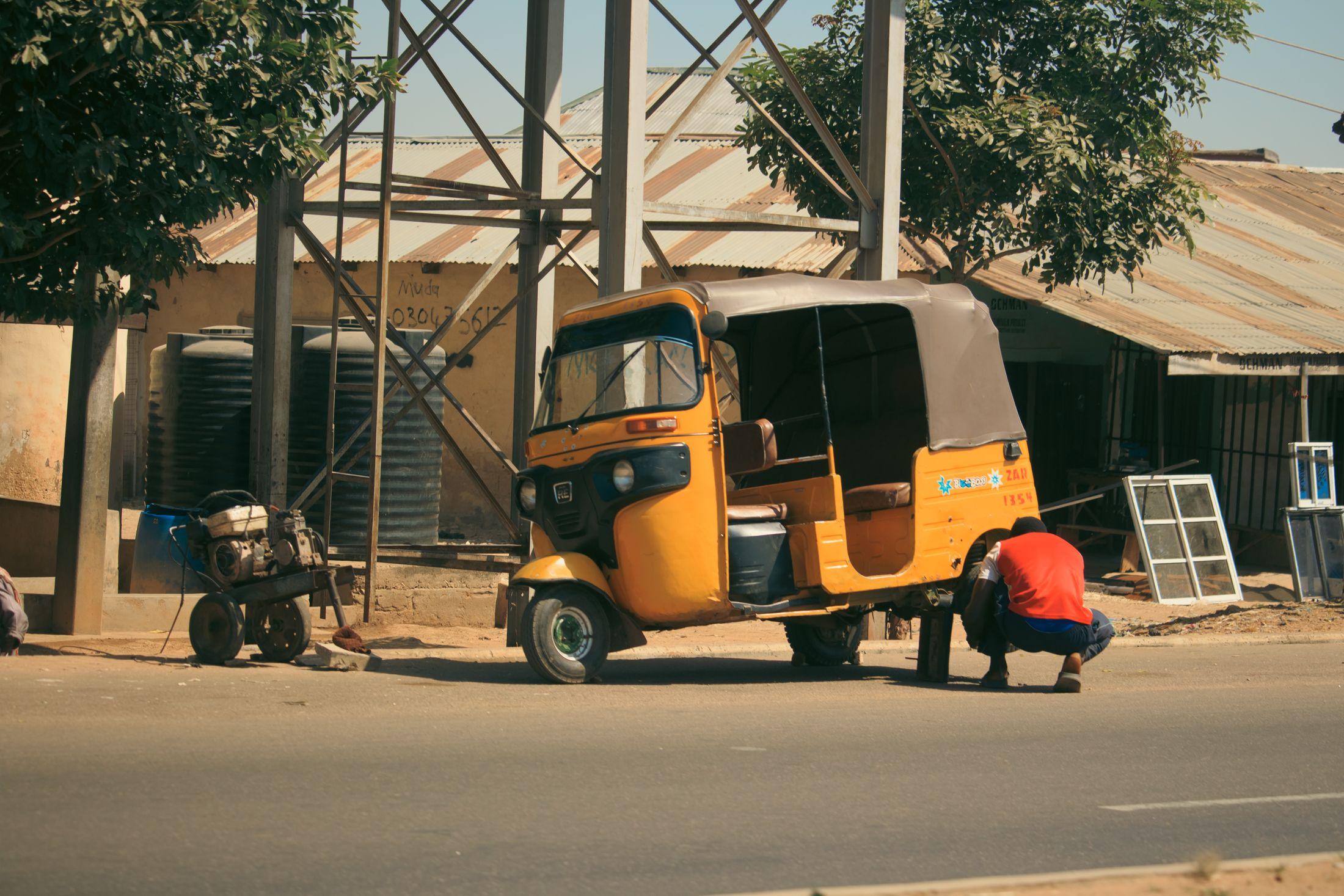
Keke and cargo tricycles for the last mile.
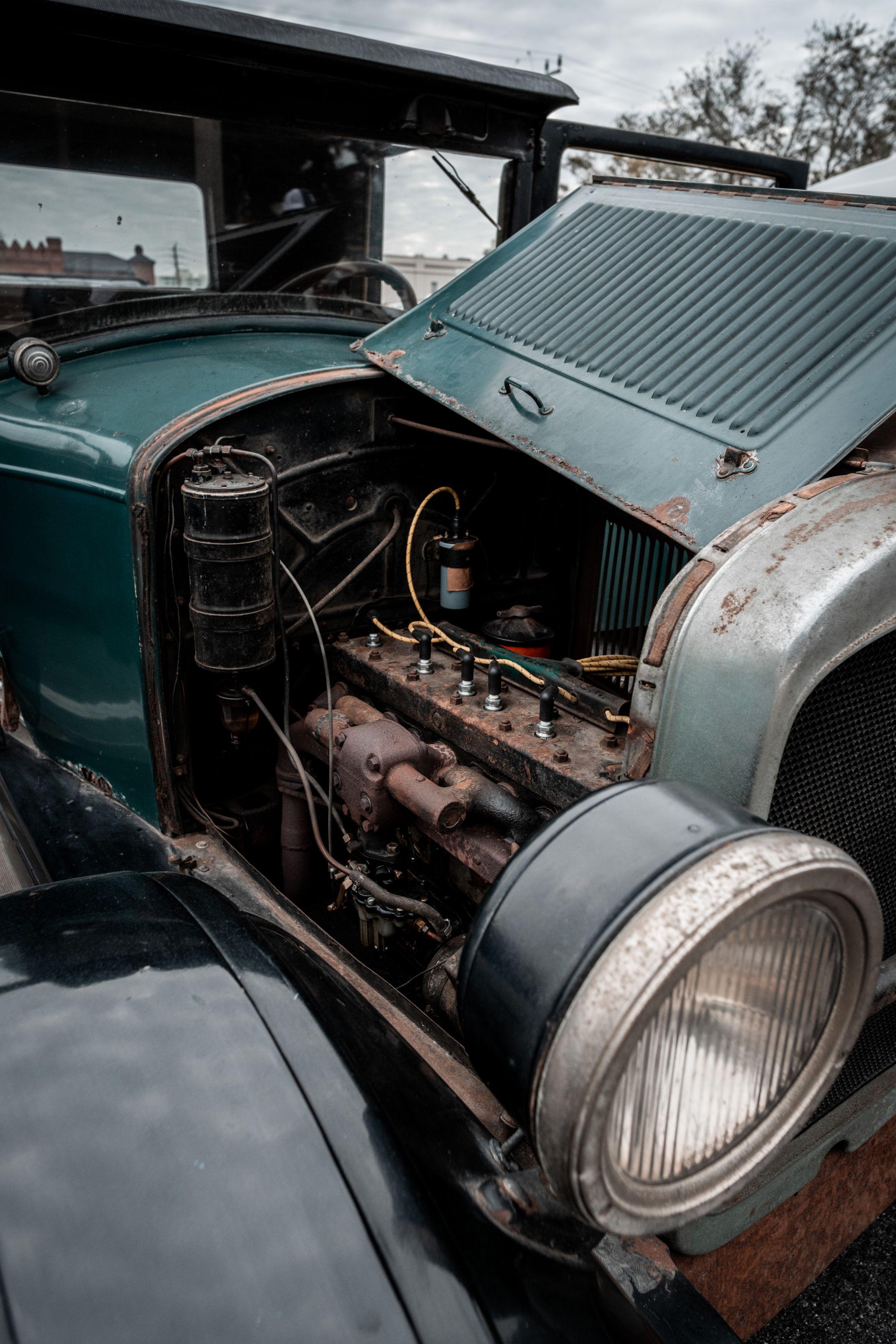
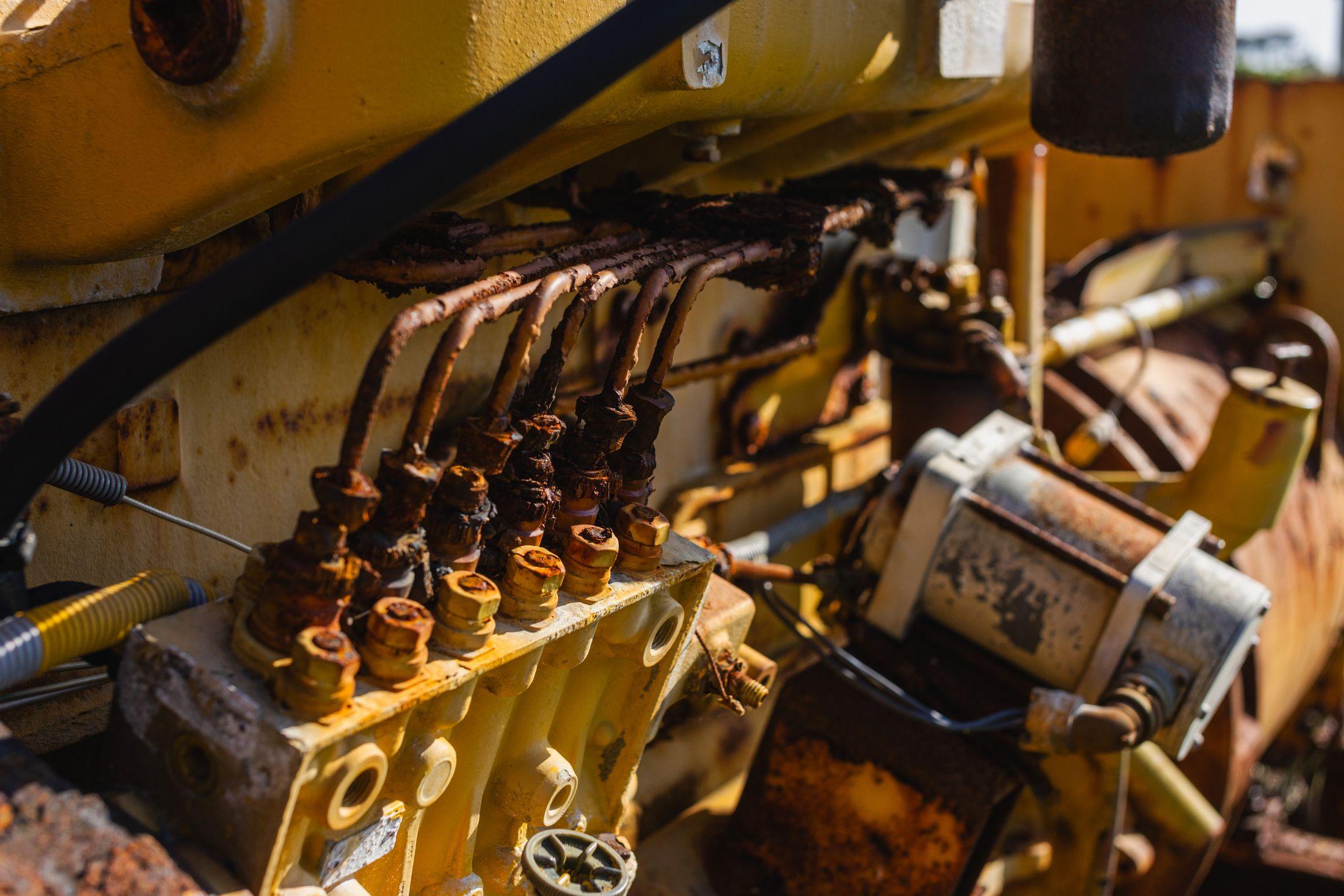
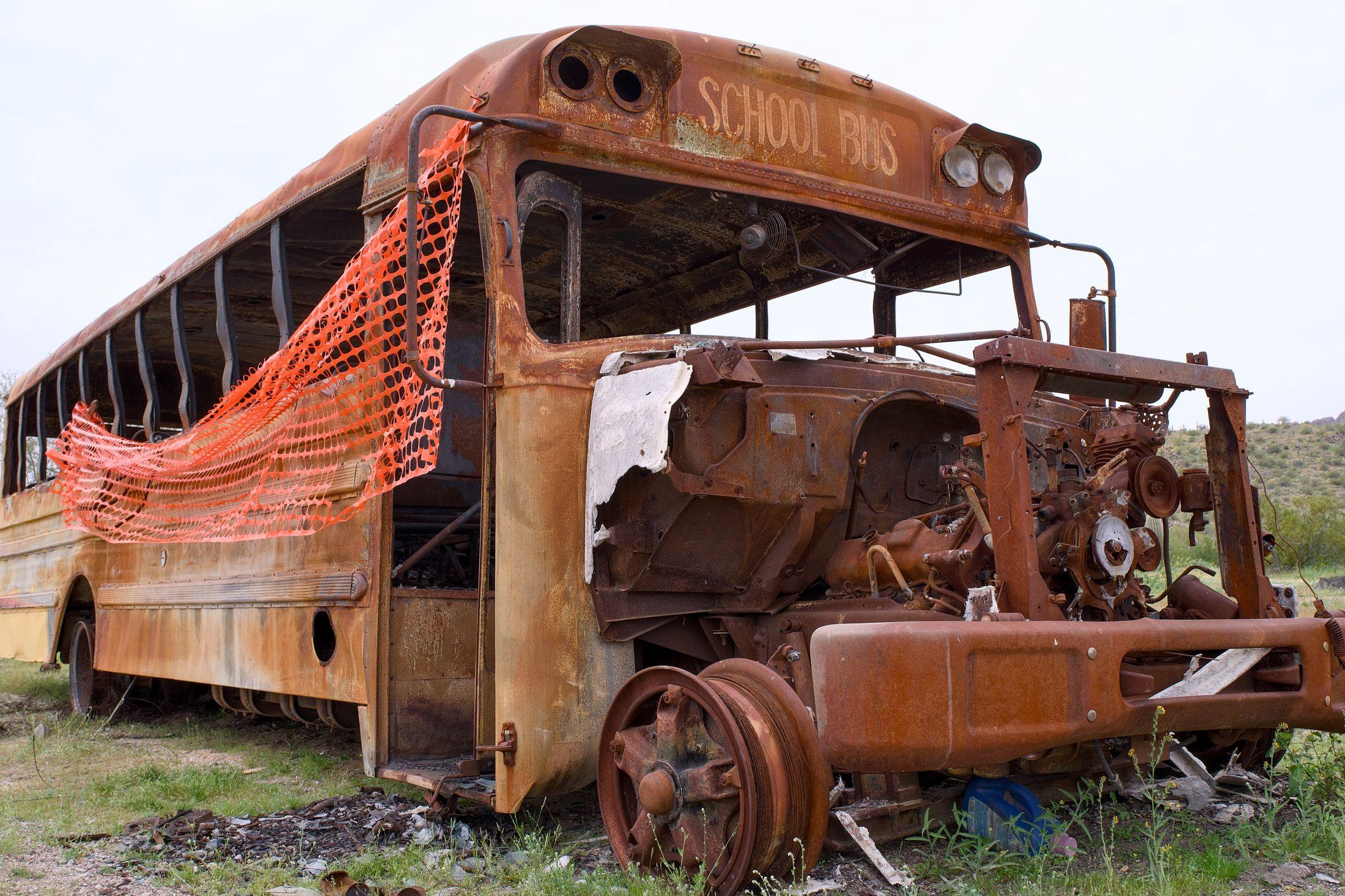
Many solid vehicles sit idle because their engines are worn out. Where the body and chassis pass assessment, conversion keeps them and replaces what fails most.
Give a solid body a second life instead of scrapping it — and keep the space, seats and layout you already rely on.
Charge at home or at the depot. Model your own numbers with our energy calculator.
Try the calculator ↗No oil changes, spark plugs, exhaust or clutch to wear out — the drivetrain is simpler to maintain.
Quiet, fume-free running — at the school gate, in the bus park and on the street.
We’ll document the pilot car at every stage — arrival, engine out, battery in, bodywork, AC test and first drive — and publish the real before-and-after here.
DMECH leads the technical assessment and workshop execution. SERIALSETS supports technology, innovation and supplier partnerships.
Sometimes — the assessment decides. What matters is the body and chassis, not whether the engine still runs. The donor assessment checks rust, frame and mounting points. If it passes, worn brakes, suspension, bearings, wiring and glass are restored as part of the conversion; if it doesn’t, we tell you plainly.
No. DMECH converts to full battery-electric only: the engine, fuel tank and exhaust come out, and the vehicle runs entirely on its battery. If your daily distance or charging access doesn’t suit a full-electric conversion, the assessment will tell you — and we’ll say so plainly.
It depends on battery size, vehicle weight, load and route. We size the battery to your real daily distance with a sensible reserve, and confirm the expected range in writing after the assessment.
Both depend on the vehicle, its condition, the battery size and parts lead times — the battery is usually the largest single cost. You get a written quotation and timeline after the donor assessment, before any work starts.
Applicable Nigerian approval, registration and insurance requirements are resolved before a converted vehicle is released for road or commercial use. We document the conversion and acceptance tests to support this.
Most converted vehicles charge overnight at home, at work or at the depot. We assess your electrical supply and advise on the right charging equipment and installation.
Send us the make, model, year and condition — we’ll tell you if it can drive again, electric.