Loading
 We Keep It Running.We Keep It Running.
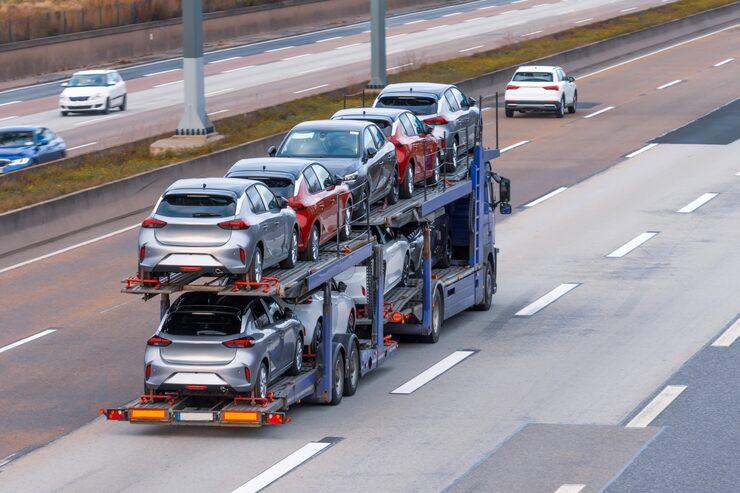
For an organisation that runs vehicles, downtime is a number on someone’s performance review. Instead of a repair relationship, you get a contracted service level, a documented history for every asset and a monthly report you can hand upward without qualification.
Service intervals planned around your operating pattern, not ours. Vehicles scheduled in rotation so availability never drops below the agreed threshold.
Contracted response times by tier, with recovery coordination. Driver-reported faults triaged before a vehicle is taken off the road unnecessarily.
Every part fitted is recorded against the asset with its source — closing the gap that unverifiable maintenance spend usually flows through.
Monthly uptime percentage, cost per vehicle, exception list and forward service schedule. Numbers first, narrative second.
SLA response tiers and warranty terms are stated in the contract, not implied — ask for the tier table and warranty schedule alongside any quotation.
| Metric | Reported | Why it matters to you |
|---|---|---|
| Fleet uptime % | Monthly | The single number your operation is judged on |
| Cost per vehicle | Monthly | Makes maintenance spend defensible line by line |
| Mean response time | Monthly | Holds us to the SLA in writing, not in principle |
| Parts fitted & source | Per job | Closes the leakage route in unverified maintenance |
| Forward schedule | Rolling | Lets you plan availability, not react to it |
We inspect a representative sample of your vehicles and report condition, risk and deferred maintenance against our three-state inspection standard.
SLA tiers, pricing, reporting format and transition plan — written, with the warranty schedule attached.
Assets onboarded, histories opened, schedule set. First monthly report issued at the end of the first full cycle.
Tell us the size and mix of your fleet — we’ll start with an audit and come back with SLA tiers, pricing and a transition plan in writing.